Rajmata Ahilyadevi Charitable Foundation
SVS College of Engineering and Technology
Tembhurni-Karmala Road, Near Old Toll Plaza, Tembhurni, Tal-Madha, Dist-Solapur
Recognised by Govt. Of Maharashtra, DTE Mumbai.
Rajmata Ahilyadevi Charitable Foundation
Tembhurni-Karmala Road, Near Old Toll Plaza, Tembhurni, Tal-Madha, Dist-Solapur
Recognised by Govt. Of Maharashtra, DTE Mumbai.
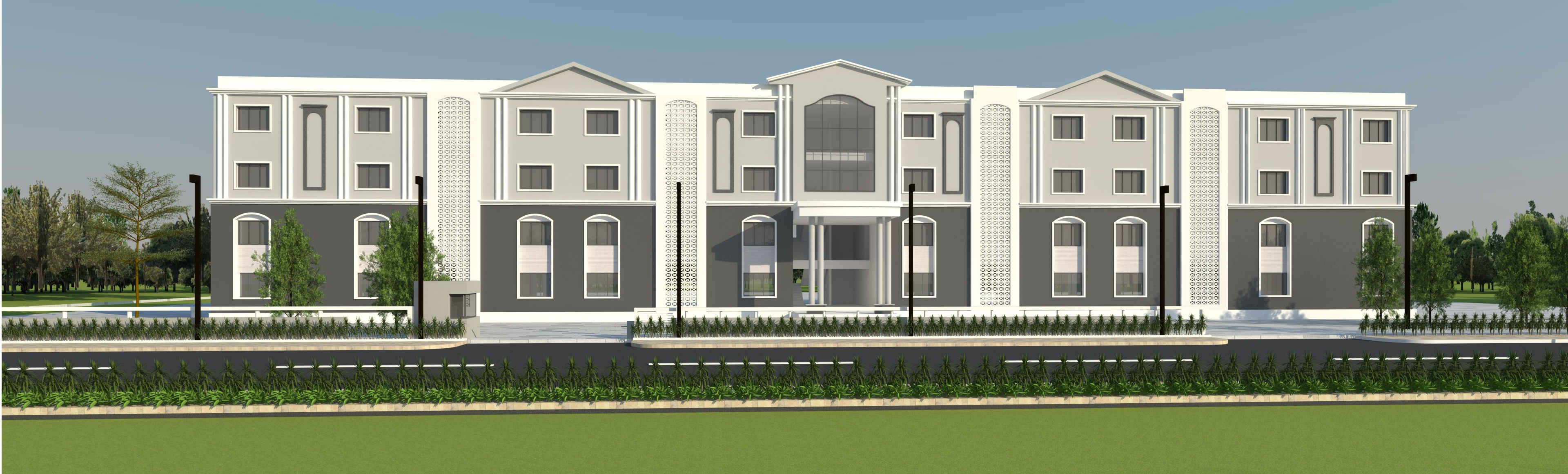
The Department of Civil Engineering covers the planning, design, construction and maintenance of infrastructure such as buildings, roads, bridges, dams and water-supply systems, with a strong emphasis on practical site exposure and laboratory work.
The curriculum spans structural engineering, geotechnical engineering, surveying, transportation engineering, environmental engineering and construction management, equipping students with the technical and analytical skills needed for real-world infrastructure projects.
Graduates find opportunities in government departments (PWD, irrigation, municipal corporations), construction and infrastructure companies, real estate firms and consultancy organisations, as well as options for higher studies and competitive government examinations.
To be a centre of excellence in civil engineering education, producing competent and ethical engineers capable of contributing to sustainable infrastructure development.
Apply knowledge of mathematics, science and engineering fundamentals to solve problems in the discipline.
Identify, formulate and analyse engineering problems using first principles.
Design solutions for engineering problems that meet specified needs with appropriate consideration for public health and safety.
Apply appropriate techniques, resources and modern engineering and IT tools to engineering activities.
Apply reasoning to assess societal, health, safety and legal issues relevant to professional practice.
Understand the impact of engineering solutions in societal and environmental contexts, and the need for sustainable development.
Apply ethical principles and commit to professional ethics and responsibilities.
Function effectively as an individual and as a member or leader in diverse teams.
Communicate effectively on engineering activities through reports, presentations and documentation.
Apply engineering and management principles to manage projects in multidisciplinary environments.
Recognise the need for and engage in independent and life-long learning in the broadest context of technological change.
| Sr. No. | Name | Designation | Qualification |
|---|---|---|---|
| 1 | To be updated | ||
| 2 | To be updated | ||
| 3 | To be updated | ||
| Sr. No. | Name | Designation |
|---|---|---|
| 1 | To be updated | |
Detailed faculty profiles will be updated soon. For current faculty information, please contact the department office.
Testing of construction materials and concrete mix design.
Practical training in land surveying using modern surveying instruments.
Testing of soil properties for foundation design.
Study of fluid flow behaviour and hydraulic systems.
Testing of water and wastewater quality parameters.
Analysis and design of structures using computer-aided tools.
Testing of road construction materials and pavement design.
The department regularly organises technical workshops, guest lectures, industrial visits, seminars and skill-development sessions to complement classroom learning with practical, industry-relevant exposure.
A detailed schedule of workshops, seminars, industrial visits and events will be updated soon.
Student and faculty achievements, awards, publications and project highlights will be updated soon.
Semester-wise syllabus documents will be made available here soon.
For the latest academic calendar and Memorandums of Understanding, please visit: